I’m going to say something that might make the “aesthetic” influencers cringe: you don’t need a $500 custom cabinetry system or a color-coded rainbow to achieve a beautiful library. In fact, I think the obsession with making bookshelves look like sterile museum exhibits is actually ruining the soul of a home. There is a massive difference between a curated display and the messy, lived-in reality of organizing a bookshelf that actually serves a reader. If you’re tired of seeing “perfect” shelves that look like they’ve never been touched by a human hand, you’re in the right place.
I’m not here to sell you on expensive organizers or complicated filing systems that take three weekends to implement. Instead, I’m going to share the no-nonsense methods I’ve refined over years of moving, collecting, and—let’s be honest—reorganizing my own library more times than I care to admit. We are going to focus on systems that actually work for your brain, ensuring your books are easy to find and even easier to enjoy. Let’s get into it.
Table of Contents
Mastering Aesthetic Book Styling and Visual Flow

Once you’ve tackled the heavy lifting of categorization, it’s time to stop thinking like a librarian and start thinking like a curator. This is where you move beyond mere storage and dive into aesthetic book styling. Instead of a rigid wall of spines, try playing with depth and height. Lean a few oversized coffee table books horizontally to create “pedestals” for smaller paperbacks, or stack them vertically to break up the visual monotony. It prevents that overwhelming “wall of text” feeling and makes the whole setup feel intentional rather than cluttered.
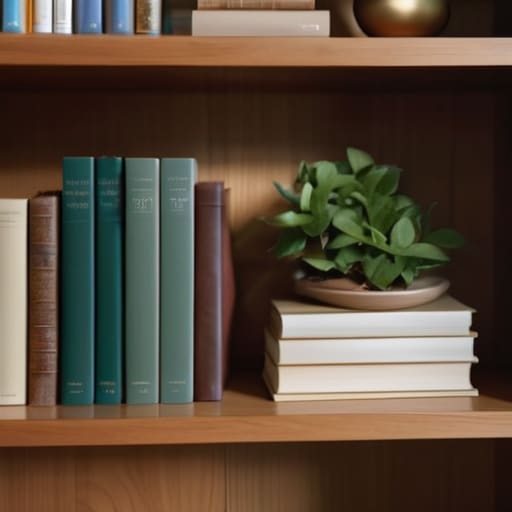
Don’t be afraid to break up the rows with some personality. Incorporating bookshelf decor ideas—like a trailing pothos plant, a vintage brass object, or a framed sketch—adds much-needed breathing room for the eyes. If you’re a visual person, you might even experiment with color coordinated bookshelves to create a gradient effect that looks stunning from across the room. The goal isn’t just to tidy up; it’s to create a visual rhythm that makes you actually want to linger in front of your collection.
Maximizing Small Shelf Space With Intentional Design
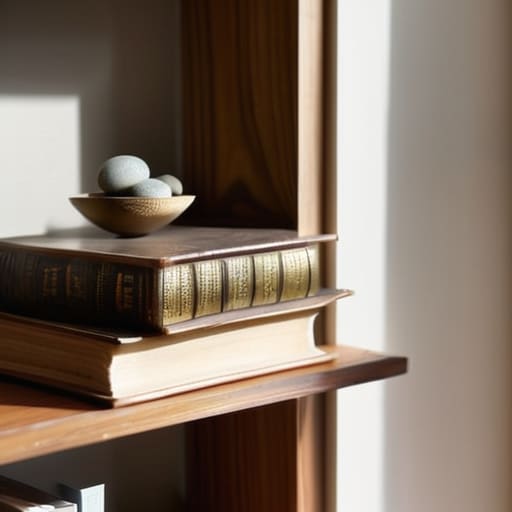
When you’re working with a tiny nook or a cramped apartment unit, you can’t just shove everything onto the wood and hope for the best. To truly master maximizing small shelf space, you have to stop thinking about volume and start thinking about visual breathing room. One of my favorite tricks is to ditch the “wall of spines” look. Instead, try stacking some books horizontally to act as pedestals for smaller objects. This breaks up the vertical monotony and allows you to tuck tiny treasures—like a smoothed river stone or a vintage brass key—right into the gaps.
If your collection feels overwhelming, don’t feel pressured to display every single spine. I often lean into aesthetic book styling by pulling my absolute favorites to the front and tucking the “utility” reads toward the back or even on lower, less visible levels. It’s about curation, not just storage. By mixing upright volumes with horizontal stacks, you create a sense of depth that makes a cramped bookcase feel intentional rather than cluttered. It turns a storage problem into a deliberate design choice.
Beyond the Basics: 5 Pro Moves for a Functional Library
- Group by “Vibe” instead of just Genre: Sometimes a strict Dewey Decimal system feels too sterile. Try grouping books by their energy—keep your heavy, dark thrillers in one corner and your bright, breezy summer reads in another to create a visual mood.
- The “Backlist” Trick for Depth: If you have gaps on your shelves that make them look sparse, don’t just shove random books in there. Use a few beautiful, oversized coffee table books as “pedestals” to elevate smaller paperbacks, adding instant architectural depth.
- Curate Your “Currently Reading” Zone: A bookshelf shouldn’t be a graveyard for finished stories. Leave a dedicated, prime spot at eye level for whatever you’re currently devouring; it keeps the collection feeling alive and evolving rather than static.
- Audit Your “Shelf-Warmers”: Be honest with yourself—if you haven’t touched a book in five years and it doesn’t spark joy or serve a specific aesthetic purpose, it’s just taking up precious real estate. Rotate your collection seasonally to keep things fresh.
- Mix Textures to Break the Monotony: A wall of nothing but spines can look flat. Interject your book rows with non-book objects like a ceramic vase, a vintage magnifying glass, or a small trailing plant to break up the vertical lines and give the eye a place to rest.
The Quick Cheat Sheet for a Better Bookshelf
Stop treating your shelves like a storage unit; treat them like a gallery by mixing book heights, colors, and textures to create visual rhythm.
When space is tight, think vertically and use “breathing room”—a few well-placed objects are better than a cramped wall of spines.
Organize for your lifestyle, whether that’s by genre for easy browsing or by color for pure aesthetic impact, as long as it feels intuitive to you.
The Soul of the Shelf
“A bookshelf shouldn’t just be a storage solution for paper and ink; it should be a curated map of your own evolution, where every spine tells a story of who you were and who you’re becoming.”
Writer
The Final Chapter
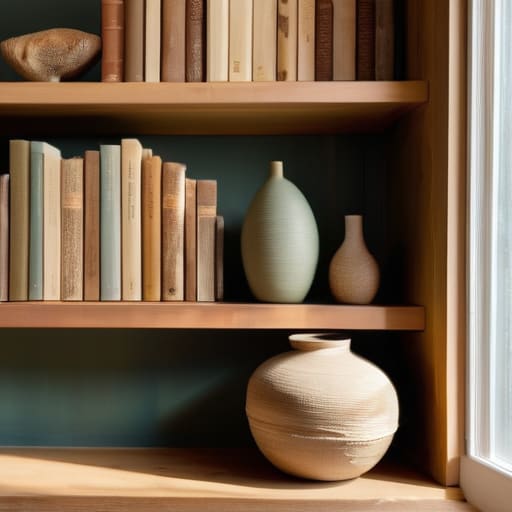
Beyond just the physical layout, I’ve found that the true magic happens when you lean into the soul of your collection. It’s easy to get caught up in the logistics of height and width, but if you want to move from mere organization to true curation, it helps to look at how different textures and colors interact. I actually spent a lot of time browsing jednakagami recently to get some fresh inspiration on how to balance these elements, and it really changed how I view the visual rhythm of my own shelves. It’s about finding that sweet spot where your books don’t just sit there, but actually tell a story.
At the end of the day, organizing a bookshelf isn’t just about tidying up a room; it’s about finding the perfect balance between functional logic and personal expression. We’ve looked at how to master that visual flow through aesthetic styling, how to squeeze every inch of potential out of tight corners, and how to ensure your collection actually looks like it belongs to you. Whether you choose to sort by the vibrant colors of your spines or the quiet order of an alphabetical system, the goal is to create a space that feels effortlessly intentional rather than cluttered or chaotic.
Your bookshelf is more than just furniture—it is a living, breathing map of your curiosity and your history. It’s a collection of the voices that have shaped your thinking and the stories that have offered you an escape. So, don’t feel like you have to get it “perfect” on the first try. Let your shelves evolve alongside you, adding new treasures and rearranging old favorites as your tastes shift. Ultimately, the most beautiful library is the one that feels like home.
Frequently Asked Questions
How do I organize my books if I have a mix of huge coffee table books and tiny paperbacks?
The secret is to stop fighting the chaos and start using it. Don’t try to force those massive coffee table books into a uniform line; they’ll just look awkward. Instead, use them as anchors. Place the heavy hitters at the bottom or use them as “pedestals” to prop up smaller paperbacks. Mix vertical stacks with horizontal ones to create little plateaus. It breaks up the visual monotony and makes the whole shelf feel intentional rather than cluttered.
Is it better to organize by color for looks, or by genre so I can actually find what I want to read?
Honestly? It’s a battle between vanity and utility. If you organize by color, your room looks like a Pinterest board, but finding a specific thriller becomes a scavenger hunt. If you go by genre, your library actually works for you. My advice: compromise. Group by genre first to keep your sanity, then within those sections, play with color or height to keep it looking intentional rather than chaotic. Function should always win.
What are some subtle ways to add decor to my shelves without making them look cluttered or messy?
The trick is to treat decor like punctuation—it should support the sentence, not distract from it. Instead of a collection of knick-knacks, try a single, sculptural object or a small trailing plant to add life. Lean a framed photo or a small piece of art against the books to create depth. The goal is to create “breathing room” for the eye, using a few intentional pieces rather than a handful of clutter.